Common Scuba Diving Gear Maintenance Mistakes: Corrosion Prevention and Life-Support Care
Underwater life-support systems operate inside one of the most chemically aggressive environments on Earth. Saltwater, ultraviolet radiation, compressed oxygen, and fluctuating ambient pressures attack metals, elastomers, and polymers simultaneously. Even minor lapses in post-dive care trigger galvanic corrosion, elastomeric hardening, or salt crystal nucleation inside precision valves. Divers frequently assume that rinsing gear briefly with a garden hose preserves mechanical integrity across seasons of use.
In reality, improper cleaning routines often accelerate component failure faster than total neglect. Pressing purge buttons while submerging unpressurized regulators floods first-stage internals with mineral-laden rinse water. Storing exposure suits on thin wire hangers crushes neoprene gas cells permanently, while drenching O-rings in excess silicone grease traps abrasive sand particles. This reference dissects the chemical and mechanical realities behind equipment degradation while establishing rigorous stewardship protocols for long-term hardware reliability.
Understanding “common scuba diving gear maintenance mistakes”
Defining Post-Dive Mechanical Neglect and Improper Care
Analyzing common scuba diving gear maintenance mistakes reveals a stark divide between superficial cosmetic cleaning and true preventative engineering. Equipment maintenance aims to halt oxidation, preserve elastomeric sealing elasticity, and remove biological growth from internal bladders. Many recreational practitioners focus exclusively on rinsing exterior surfaces while leaving internal inflator mechanisms, pressure relief valves, and regulator diaphragms saturated with evaporating brine.
Multi-Perspective Technical Assessments
Certified repair technicians, hyperbaric safety officers, and fleet managers observe distinct failure patterns across returned rental and personal hardware. Technicians regularly open regulators seized solid by green copper carbonate crystals caused by water intrusion through unsealed dust caps. Fleet managers note premature bladder delamination in buoyancy compensators left inflated inside hot vehicle trunks. Meanwhile, safety officers trace mid-dive free-flows directly to skipped annual service intervals on lightly used gear.
Oversimplification Hazards in Routine Rinse Habits
Treating all diving equipment as waterproof creates severe mechanical vulnerabilities. While scuba gear functions underwater under internal air pressure, unpressurized regulators and electronic instruments remain vulnerable to water ingress during surface washing. High-pressure hose sprays force salt crystals and grit past wiper seals, turning routine boat-dock rinsing into a primary vector for internal valve damage.
Deep Contextual Background
Evolution from Brass and Rubber to Modern Composites
Early mid-twentieth-century diving hardware utilized heavy chrome-plated brass regulators, natural vulcanized rubber hoses, and canvas buoyancy vests. Those early materials required constant disassembly, talcum powder dusting, and manual waxing to prevent rapid oxidation and dry rot. Modern manufacturing introduced marine-grade stainless steel, titanium alloys, braided nylon hoses, and injection-molded silicone skirts that resist environmental decay far longer.
The Paradox of Modern Material Durability
Increased baseline durability fostered a dangerous illusion of indestructibility among casual divers. Because contemporary regulators rarely rust visibly on the outside, owners frequently delay factory overhauls for years. Internally, however, microscopic polyurethane seats still compress permanently, Viton O-rings harden against oxygen exposure, and salt crystals silently abrade delicate balance pistons. Understanding common scuba diving gear maintenance mistakes counters this false sense of security.
Conceptual Frameworks and Mental Models
The Evaporative Crystallization Threshold
Liquid saltwater causes minimal immediate mechanical abrasion while components remain submerged. Damage accelerates rapidly during surface drying as water evaporates and dissolved sodium chloride, magnesium, and calcium precipitate into sharp microscopic crystals. These mineral shards score soft silicone diaphragms and jam tiny inflator valve stems during subsequent pressurization. Thorough freshwater dissolution before drying prevents crystallization entirely.
Galvanic Corrosion Coupling in Dissimilar Metals
Submerging two dissimilar metals—such as a stainless steel bolt threaded into an aluminum backplate or brass cylinder valve—in conductive saltwater creates a microscopic galvanic battery. Electrons flow from the less noble metal to the more noble alloy, rapidly pitting aluminum threads and seizing fasteners permanently. Isolating dissimilar metals with marine-grade Tef-Gel or sacrificial zinc anodes interrupts electrical current flow.
Elastomeric Compression Set and Ozone Degradation
O-rings, drysuit neck seals, and regulator exhaust valves rely on elastic memory to maintain airtight seals under three thousand pounds of pressure. Continuous compression inside closed valves or exposure to ambient ozone from electric motors causes polymer chains to cross-link and crack. Proper storage relieves mechanical tension while shielding rubber compounds from ultraviolet light and ozone sources.
Key Categories or Variations
Regulator First-Stage Water Intrusion
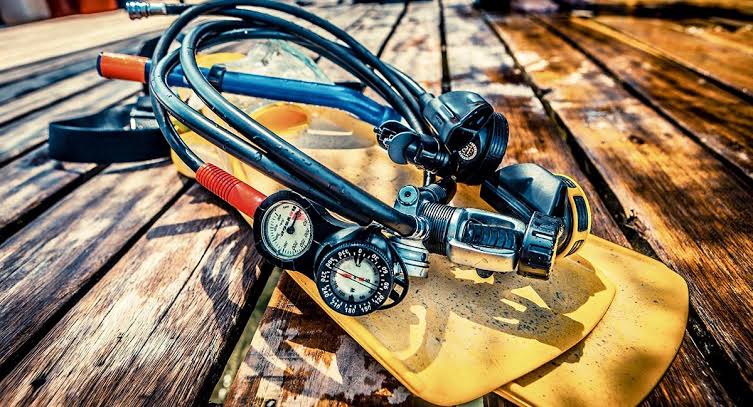
Submerging a regulator in a rinse tank without securing the dust cap—or depressing the second-stage purge button underwater—allows rinse water to enter high-pressure chambers. Trapped moisture corrodes internal springs and filter screens silently over months.
Buoyancy Compensator Internal Bladder Neglect
Draining external water while leaving saltwater inside the inner air bladder breeds foul anaerobic bacteria and leaves abrasive salt crystals that puncture polyurethane linings. Internal bladders require periodic freshwater flushing and partial inflation during storage.
Exposure Suit Folding and Ultraviolet Bleaching
Drying neoprene wetsuits or trilaminate drysuits under direct midday sunlight degrades polymer elasticity and fades outer nylon fabrics rapidly. Folding drysuits sharply across waterproof zippers kinks delicate metal or plastic teeth permanently.
Excessive O-Ring Lubrication Habits
Coating O-rings with thick layers of silicone grease turns elastic seals into magnets for sand, hair, and lint. Excess grease also extrudes into narrow valve seats, impairing gas flow and trapping debris across sealing surfaces.
Cylinder Complete Depressurization Errors
Draining scuba cylinders completely to zero pressure breaks internal positive pressure equilibrium, allowing humid ambient air and seawater moisture to enter open valves. Internal moisture triggers rapid aluminum oxidation or steel rusting inside tank walls.
Dive Computer Battery and Contact Neglect
Leaving corroded salt crusts across wet-activation pins or ignoring low-battery warnings risks sudden display blackouts mid-dive. Replacing user-serviceable coin batteries without inspecting or lightly greasing housing O-rings floods electronic circuit boards.
Decision Logic for Maintenance Prioritization
Preventing common scuba diving gear maintenance mistakes requires prioritizing life-support integrity over cosmetic polish. Regulators, cylinder valves, and buoyancy inflators demand immediate freshwater soaking and strict annual technician overhauls. Exposure suits, fins, and gear bags tolerate longer intervals between deep cleanings provided salt and sand are rinsed away before storage.
Detailed Real-World Scenarios
Scenario One: The Community Rinse Tank Contamination Trap
At a busy shore-diving park, thirty divers submerge their gear sequentially into a single small freshwater barrel. Near the end of the afternoon, the barrel water contains high concentrations of dissolved salt, sunscreen oil, and fine sand. A diver dunks their regulator, presses the purge button to clear bubbles, and packs the wet gear into a sealed plastic tote. Six months later, during a tropical vacation, the corroded first-stage piston jams open at sixty feet, triggering an emergency ascent.
Scenario Two: Drysuit Waterproof Zipper Failure Before a Cold Expedition
Following an autumn wreck dive, a drysuit owner rinses the exterior fabric briefly but leaves fine silt lodged inside the brass zipper teeth without applying paraffin wax lubricant. Stored rolled up in a garage over winter, oxidized teeth bind tightly when pulled open the following spring. Forcing the slider separates the vulcanized rubber seal from the fabric tape, ruining an expensive suit hours before departure.
Scenario Three: Flooded Dive Computer After DIY Battery Swap
Noticing a low-battery icon days before a liveaboard trip, a diver pries open a wrist computer battery hatch using a metal coin. A tiny hair settles across the factory O-ring during reassembly, while dry rubber pinches slightly under the cover. On the very first descent to eighty feet, hydrostatic pressure forces saltwater past the pinched seal, destroying the microprocessor permanently.
Scenario Four: Aluminum Cylinder Valve Thread Seizure
A recreational diver leaves a stainless steel yoke adapter threaded onto an aluminum cylinder valve across an entire off-season without rinsing the threads. Galvanic corrosion fuses the two metals together solidly. Attempting to break the bond with a wrench shears the valve neck, requiring expensive machine-shop extraction.
Planning, Cost, and Resource Dynamics
Preventative Care Outlays Versus Major Repair Invoices
Basic maintenance supplies—including biodegradable wetsuit shampoo, zipper wax, silicone grease, and wide plastic hangers—cost less than a single charter boat ticket. Conversely, replacing a salt-corroded first-stage regulator, delaminated buoyancy bladder, or flooded dive computer costs hundreds or thousands of dollars.
Hidden Financial Costs of Ignored Service Schedules
Skipping annual regulator overhauls voids manufacturer lifetime parts warranties instantly. When unserviced hardware fails during an international trip, divers incur expensive daily rental fees, missed boat dives, and emergency repair surcharges. Avoiding common scuba diving gear maintenance mistakes preserves both warranty protections and expedition budgets.
Tools, Strategies, and Support Systems
Dedicated Multi-Stage Freshwater Rinse Tubs
Separating rinse water into dedicated tubs—one strictly for delicate masks, cameras, and computers, and another for heavy exposure suits and weights—prevents gritty sand from scratching lenses and fouling regulator valves. Always soak gear for twenty minutes rather than relying on brief hose sprays.
Low-Pressure Air Nozzles for Drying
Using a regulated low-pressure air blowgun attached to a scuba cylinder dries regulator dust caps, computer battery compartments, and zipper tracks instantaneously without leaving lint fibers behind. Keeping pressure below thirty pounds per square inch protects delicate diaphragms from rupture.
Breathable Mesh Gear Bags and Wide Contoured Hangers
Storing damp equipment inside airtight plastic bins traps humidity and accelerates mildew growth across nylon webbing. Hanging wetsuits on thick contoured plastic hangers distributes shoulder weight evenly, while storing dry regulators loosely coiled in ventilated mesh bags prevents hose kinking.
Oxygen-Compatible Lubricants
Standard silicone grease ignites violently if exposed to high-pressure enriched air nitrox or pure oxygen blends. Technical and nitrox divers must use certified perfluoropolyether lubricants—such as Christo-Lube or Tribolube—exclusively on cylinder valves and first-stage O-rings.
Risk Landscape and Failure Modes
Silent Internal Valve Corrosion
Regulators stored damp inside closed padded bags develop internal oxidation invisible during surface breathing tests. Under deep ambient pressure where gas density quadruples, corroded springs stick intermittently, causing sudden breathing resistance or violent free-flows.
Buoyancy Inflator Sticking Under Pressure
Salt crystals lodged inside power inflator stems frequently allow air to enter the bladder smoothly while jamming the valve open once depressed. Unchecked runaway inflation forces divers toward rapid buoyant ascents unless the low-pressure hose is disconnected immediately.
Ruptured High-Pressure Braided Hoses
Outer nylon braiding on modern flexible hoses hides internal polyurethane liner degradation caused by prolonged sun exposure or sharp bending near crimps. A burst high-pressure hose dumps cylinder gas rapidly while whipping violently underwater.
Governance, Maintenance, and Long-Term Adaptation
Post-Dive Immediate Desalination Routine
Establishing an automatic ritual immediately after every ocean exit prevents salt crystallization before evaporation begins. Rinsing gear while still wet dissolves surface brine effortlessly compared to scrubbing dried salt crusts days later.
Post-Dive Equipment Stewardship Checklist
-
Dust Cap Seal: Dry the first-stage dust cap thoroughly with a clean towel and secure it tightly before submerging the regulator in water.
-
No-Purge Soak: Submerge regulators gently in warm fresh water without pressing second-stage purge buttons.
-
BC Internal Flush: Drain seawater via the lower dump valve, pour fresh water through the oral inflator, shake thoroughly, and drain completely.
-
Exposure Suit Rinse: Wash wetsuits and drysuits inside and out with fresh water, hanging them in shaded, well-ventilated areas.
-
Positive Tank Pressure: Close cylinder valves gently without over-torquing, ensuring at least three hundred pounds of pressure remain inside.
Measurement, Tracking, and Evaluation
Leading Indicators of Mechanical Health
Inspecting sintered bronze or stainless inlet filters on first-stage regulators before every trip provides an immediate diagnostic window into cylinder cleanliness. Bright, clean metallic mesh confirms dry, uncorroded air fills, whereas green or white powdery discoloration indicates moisture intrusion requiring immediate technician service.
Lagging Indicators in Equipment Service Logs
Maintaining a chronological maintenance log recording annual overhaul dates, O-ring replacements, battery changes, and hydrostatic test stamps establishes objective accountability. Comparing component lifespans across multiple seasons reveals whether storage environments or rinse habits are accelerating wear.
Common Misconceptions and Oversimplifications
The Myth That Unused Gear Needs No Annual Servicing
Rubber O-rings oxidize, nylon seats deform under spring tension, and lubricants dry out inside closet storage just as readily as during active diving. Unused regulators sitting idle for two years frequently fail faster upon immersion than regularly serviced units.
Believing Hot Water Damages All Scuba Equipment
While boiling water warps plastics, soaking regulators and buoyancy compensators in warm tap water—around one hundred degrees Fahrenheit—dissolves hardened salt crystals far more effectively than cold hose water.
Assuming Dish Soap Is Ideal for Washing Wetsuits
Household dish detergents strip natural oils from neoprene rubber, making suits stiff, brittle, and less thermally insulating over time. Biodegradable neoprene shampoos clean biological residues while preserving cellular elasticity.
Thinking Over-Tightening Cylinder Valves Prevents Leaks
Cranking cylinder valves shut with excessive force crushes soft nylon valve seats permanently, creating slow leaks that worsen over time. Valves require only gentle two-finger snugness to seal completely.
Ethical, Practical, and Contextual Considerations
Conserving Fresh Water at Remote Dive Operations
In island destinations where fresh water is scarce and desalinated at high energy cost, filling giant rinse tanks wastefully strains local infrastructure. Using measured dunk buckets and biodegradable cleaners respects host communities while maintaining gear hygiene.
Responsible Disposal of Expired Cylinders and Batteries
Lithium dive computer batteries, lead ballast weights, and condemned aluminum cylinders contain hazardous materials that require specialized recycling rather than municipal landfill disposal. Proper end-of-life stewardship protects coastal soil and groundwater.
Conclusion
Subaquatic life-support reliability depends entirely on disciplined post-dive care rather than initial purchase price. By eliminating common scuba diving gear maintenance mistakes—such as depressing purge buttons underwater, over-greasing O-rings, draining cylinders completely, or drying neoprene in direct sunlight—divers preserve mechanical tolerances across decades of exploration. Ultimately, treating equipment maintenance as an integral phase of every dive ensures that critical valves, bladders, and instruments perform flawlessly whenever hydrostatic pressure demands perfection.